
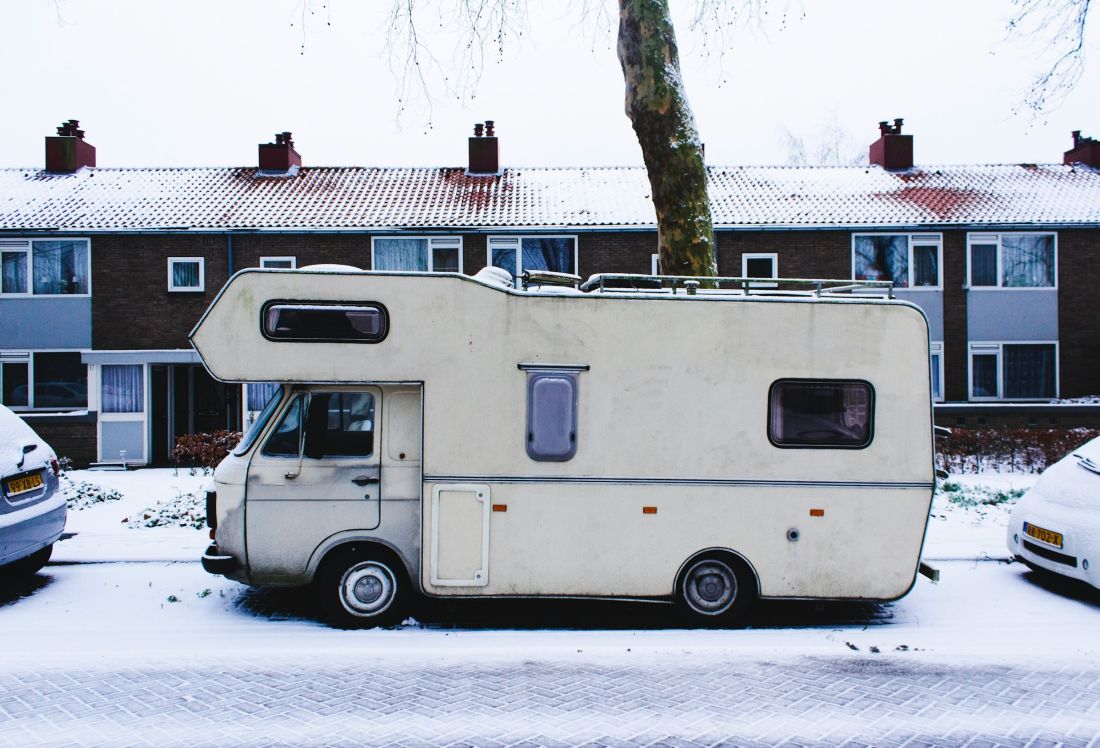
How to Store Your Caravan for the Winter
Owning a caravan is a fantastic way to enjoy the open road, but if you’re not planning any winter trips, it’s important your caravan is properly stored. Leaving your caravan exposed to harsh weather can lead to costly damage, and poor preparation can affect its value and longevity.
This guide explains how to store your caravan safely over the winter months, covering everything from cleaning and system checks to choosing the right storage and maintaining it while it’s not in use.
Why is it important to store your caravan properly over winter?
Winter storage is crucial for protecting your caravan from the harsh elements. Without proper storage, your caravan can be damaged by exposure to rain, snow, and frost. This can include rust and corrosion to leaks and mould.
Beyond protecting your caravan against weather, storing your caravan through the winter will help to maintain its overall condition and value. With regular maintenance and careful storage, you can ensure that when the warmer months return, your caravan remains in top shape and will be ready to use without costly repairs or deterioration.
How to prepare your caravan for winter storage
Before you put your caravan into winter storage, it’s important to take the right steps to protect it and make sure it’s ready to use again in the spring. This will help to prevent damage and reduce the risk of costly repairs.
Clean inside and out
You can start preparing your caravan for winter storage by thoroughly cleaning it. This should involve washing the exterior to remove any dirt and road salt, as this can cause corrosion over time.
You should pay special attention to seals around windows and doors, as debris can cause leaks if left. Inside, remove all rubbish, food, and perishable items to prevent against mould, pests, and unpleasant odours. You can also wipe down all surfaces so they’re left clean and consider leaving cupboards slightly open to allow the air to circulate – this will also help to prevent mould.
Check and empty systems (water, gas, electricity)
You should completely drain all the water systems, including the fresh water tank, pipes, and the boiler. This will stop any water freezing in the pipes, which could cause damage. You should turn off the gas supply and check that all the appliances are safely disconnected.
For electrical systems, you should ensure the battery is fully charged and, if possible, remove it and store it in a cool, dry place. This reduces the risk of the battery draining or getting damaged during storage.
Inspect tyres and brakes
Tyres and brakes also need attention before your caravan is stored. You should check the tyre pressure and consider inflating them just slightly above the recommended level to prevent flat spots. If possible, you can use wheel chocks or tyre supports to relieve pressure on the tyres.
You should also inspect the brakes for wear and rust, and make sure all moving parts are clean and lubricated. Taking these steps should mean it will be easier to get your caravan back on the road safely when the season returns.
How to choose the right caravan storage option
It’s important to choose the right storage for your caravan to keep it safe and in good condition throughout the winter. The right type of storage for you will depend on your budget, location, and how much protection your caravan needs.
Indoor storage will provide the highest level of protection, as your caravan will be completely shielded from rain, snow, frost, and UV damage. It also reduces the risk of vandalism and can help to keep the interior in better condition.
Outdoor storage is usually more affordable but means your caravan will be exposed to the elements. If you opt for outdoor storage, you should use a high-quality, breathable cover to prevent moisture from building up and also to protect it against debris.
Some people prefer to keep their caravan in their own garage or on their driveway, which can be convenient but requires attention to security. This can include fitting robust locks to doors and hitch points, using wheel clamps or chocks, installing motion-sensor lights, or even adding a monitored alarm system. You should regularly check the area and keep it well-lit to help deter theft or vandalism.
An alternative is to use a secure storage site. Locations can sometimes offer gated access and CCTV, which will help to keep your caravan safe whilst it’s not in use. Some sites also offer on-site staff or monitored alarm systems, which can provide extra peace of mind while your caravan is unattended for months.
How to maintain your caravan whilst it’s in storage
Even when your caravan is not in use, you’ll need to keep it maintained to prevent damage.
Ventilation and moisture control
Proper ventilation is vital to prevent mould, mildew, and damp inside your caravan. If you’re securely storing your caravan inside, you can leave the roof vents slightly open– you can use purpose-made vent covers to allow the air to circulate whilst keeping any pests out. You can also consider using moisture absorbers or dehumidifiers to keep the air dry.
As much as is possible whilst keeping the caravan secure, you should avoid sealing the caravan completely, as trapped moisture can damage upholstery, cabinetry, and electronics. You should regularly check the interior for condensation and address any damp spots early to help keep it in good condition.
Battery and fuel care
As mentioned, batteries should be fully charged before storage, and if possible, removed and stored in a cool, dry place to prevent drainage or damage. For caravans with onboard fuel systems, you should ensure the tanks are full to reduce condensation and consider adding a stabiliser to prevent fuel degradation. You should regularly monitor these systems to ensure they’ll be ready to use when the storage period ends.
Pest prevention
Caravans can attract pests, such as rodents and insects, during storage, which can damage wiring, upholstery, and food supplies. You can help to prevent infestations by sealing gaps around the chassis, wheel arches, pipes, and other structural openings where rodents or insects could enter but avoid closing vents that provide interior ventilation. Any food should be stored elsewhere, and you could consider using natural deterrents or traps if necessary. You should periodically check for signs of pests to help catch any problems early, which will help to avoid any damage or hygiene issues.
If you’re thinking about upgrading your caravan, GetCarFinanceHere can help. Our expert team can guide you to the best caravan finance deals, ensuring you enjoy your caravan without worrying about upfront costs.